Lisbon Food and Where to Eat
In Portugal, lunch (almoço) is eaten around 1 pm and dinner (jantar) around 8 pm. Discover where to eat in Lisbon and the city’s typical dishes.
Meal Times in Portugal
Meal times in Portugal are similar to those in Northern Europe, including the United Kingdom. Many restaurants in Lisbon close around 9 pm, so we recommend not going too late.
Portuguese Dishes
Portugal has a varied gastronomy with typical dishes with many types of vegetables, meat, and fish. The following list includes the country’s most famous dishes:
- Caldo Verde (Green Broth): a renowned potato and kale soup.
- Sopa de Nabiças: Soup made with turnip leaves, potato, carrots, and onion.
- Cozido à portuguesa: A popular Portuguese stew with various meats and vegetables.
- Migas a la alentejana: A popular dish from Alentejo (one of the country’s regions) with bread and marinated pork.
- Bifana and Prego: These are traditional Portuguese meat sandwiches, marinated in oil, garlic and wine and eaten with mustard and piri piri hot sauce. The bifana is pork and the prego steak.
- Feijoadas: a winter stew made with haricot or pinto beans accompanied by pork.
- Cataplana de Mariscos: seafood stew cooked in a special pan.
- Fish soup.
- Several recipes made with squid.
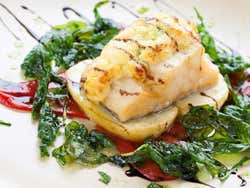
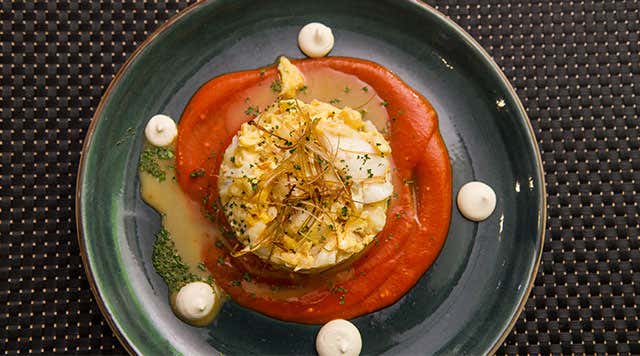
- Several dishes made with the country’s national product, cod.
Portugal also has typical products including very good wine and cheese.
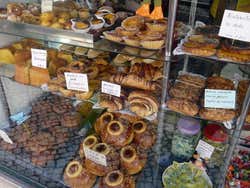
Some of the most delicious desserts include “drunken pears in wine”, “pastéis de Belém”, a custard type of pastry, "pão de ló", a type of sponge cake, "ovos moles de Aveiro", sweets made of egg yolk and sugar, and the "pastel de feijão", a cake made of almond.
Careful with the Aperitifs
A long-held custom in restaurants is to put aperitifs on the table, which, unlike in other countries, are not complimentary, and if you drink them you have to pay for them. If you don’t want them, we recommend you ask the waiter to take them away.
Best Areas to Eat in Lisbon
One of the liveliest areas, with the greatest number of restaurants, is Rossio Square. In its surrounding streets, you can find restaurants of all sorts.
If you want to dine listening to fados (as the saying goes, if you go to Lisbon and don’t eat while listening to Fados at least once, you’ll miss discovering the country’s essence), you’ll find many Fado restaurants in Alfama and Bairro Alto.
We also recommend booking the Lisbon Fado Dinner Show and Night Tour.