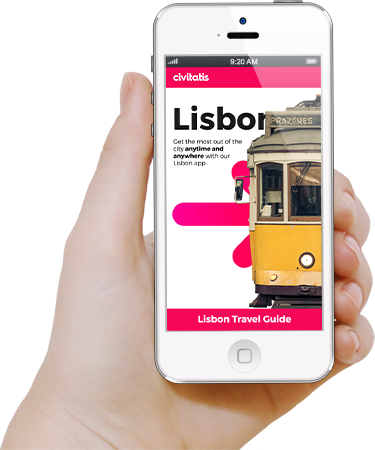
Are you planning a trip to Lisbon? We can help! In our travel guide, you'll find updated information on what to see, where to sleep, and the best places to eat.
Are you planning a trip to Lisbon? If you are, you probably have a lot of questions about the city. Our travel guide includes all the information you need to plan a great holiday in Lisbon.
Why Visit Lisbon?
Lisbon is a fascinating city full of history, monuments, impressive bridges, and vintage street cars. These are just a few of the reasons that make it an extremely interesting city to visit and a place you'll want to return to.
In 2016, Lisbon was ranked number 7 in the top ten European cities to visit. Its cheap flights and relative closeness to major capital cities like Madrid, Paris, and London make it an ideal destination for a weekend break.
Visiting Lisbon is relatively inexpensive, and you can find low-cost flights from the UK for just £ 30 (US$ 40.18) and hotels in the center from £ 55 (US$ 73.66).
Where to Begin
If you’ve never been to Lisbon before, we recommend you read about its history, followed by its neighborhoods and its top attractions. If you're only in Lisbon for two days, check out our 2-day Itinerary of the city.
Need Accommodation?
If you still haven’t booked your accommodation, we recommend checking out the link below, where you’ll find all kinds of hotels, apartments, and hostels with the best rates guaranteed with up to 75% discount. Moreover, you won’t have to pay until you get to your accommodation.